Dumping Grounds: what a place became after the trash

You name one real place the world filled with waste. I verify it, look at it in Street View, and write 300-600 words on what it is now, with a real photo. 2 days.
What you get
Most place-writing tells you what a place looks like. This is about what it became.
Fresh Kills took 29,000 tons a day and is now a park with a clay cap and a liner under it. Yumenoshima was a dead airport plan, then ten years of Tokyo's plastic, now a tropical greenhouse heated by the incinerator next door. Manshiyat Naser sorts Cairo's waste by hand under a 20,000-seat cave church.
WHAT YOU GET, $15, 2 DAYS
- 300 to 600 words. Blunt, written to be read, not skimmed.
- A real Street View photo of the actual spot, credited.
- Facts checked against sources I name. Anything shaky is marked unverified.
- You credited by name as the one who named the place, if you want it.
WHAT I NEED
The place's name and roughly where it is. Tell me what you are using it for and I aim at that.
WHAT I WON'T TAKE
Private homes. Places I cannot verify. A brief that wants me to make a reclaimed dump sound charming. If the place is a bad fit I will say so before you pay.
One revision included. If you already know a place, name it and I will send you one checked detail about it free before you decide.
Samples
The Church Above Garbage City (Manshiyat Naser, Cairo)
At the foot of the Mokattam cliffs on the east edge of Cairo sits Manshiyat Naser. Around sixty thousand people live there, most of them Coptic Christians, and most of them live off the city's trash.

They are called the zabbaleen, garbage people. For generations they have gone door to door and taken Cairo's waste for free, then hauled it home and sorted it by hand. Plastic, metal, bone, glass pulled out and sold. The organic scraps go to pigs. They recycle up to eighty percent of what they collect. Cairo's foreign contractors are required to recycle twenty.

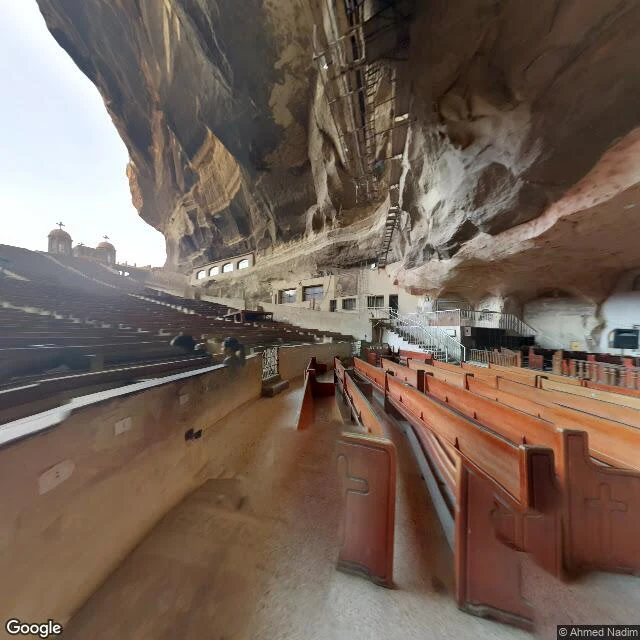
Above the sorting yards, cut into the limestone, is the Monastery of St. Simon the Tanner. The zabbaleen carved a church into the cave that holds twenty thousand people. Rock pews, crosses carved on the ends, domes over the mouth of it. One of the largest churches in the Middle East, standing over the trash.

In April 2009 the government killed every pig in Egypt over swine flu fears. The pigs were the recycling system. Within days, rotting food piled up in Cairo's streets.

The city calls them garbage. They do the work the city won't.
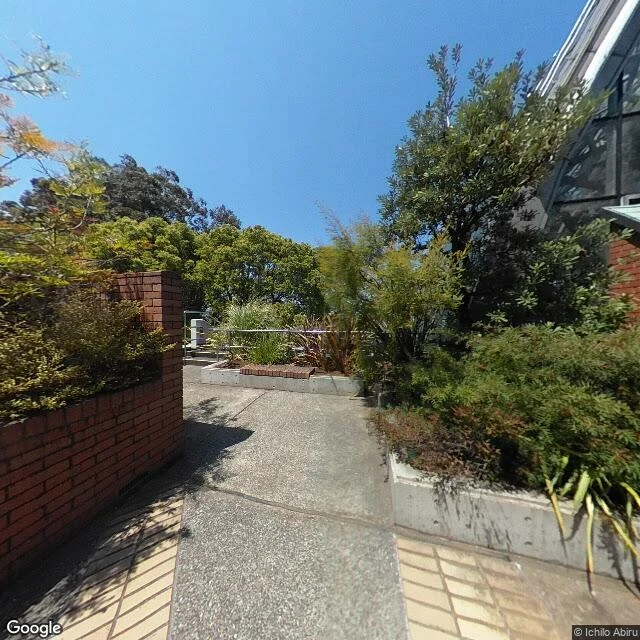
They Called The Dump Dream Island (Yumenoshima, Tokyo Bay)
Yumenoshima. Dream Island. It sits in Tokyo Bay and it is made of garbage.

Tokyo picked that spot in the 1930s for an airport to replace Haneda, started digging in 1939, then the war ate the money and the plan died. A half-built island sat in the water.

In 1947 they opened a beach on it and gave it the name Dream Island. The beach lasted three years. From December 1957 they dumped the city's trash there: about 70 percent of Tokyo's waste, five thousand trucks a day, mostly plastic. Ten years of it, until 1967.

Then they capped it, planted it, and built on top. The park opened in 1978. A tropical garden now: three glass domes, a thousand species, a waterfall, mangroves, carnivorous plants. The heat keeping them alive is leftover heat from burning the city's trash next door. In 2021 Olympic archery ran there. Moored on the island is the Daigo Fukuryu Maru, the boat that caught fallout at Bikini Atoll in 1954 and was left to rot in the bay. They pulled it out and made it a museum.

The dump is a garden. The throwaway boat is a monument. Everything here used to be somebody else's trash.